Dejar un mensaje
Si está interesado en nuestros productos y desea conocer más detalles, deje un mensaje aquí, le responderemos lo antes posible.


Fabricante chino de embudos de filtración Buchner de porcelana Al₂O₃ de alta pureza

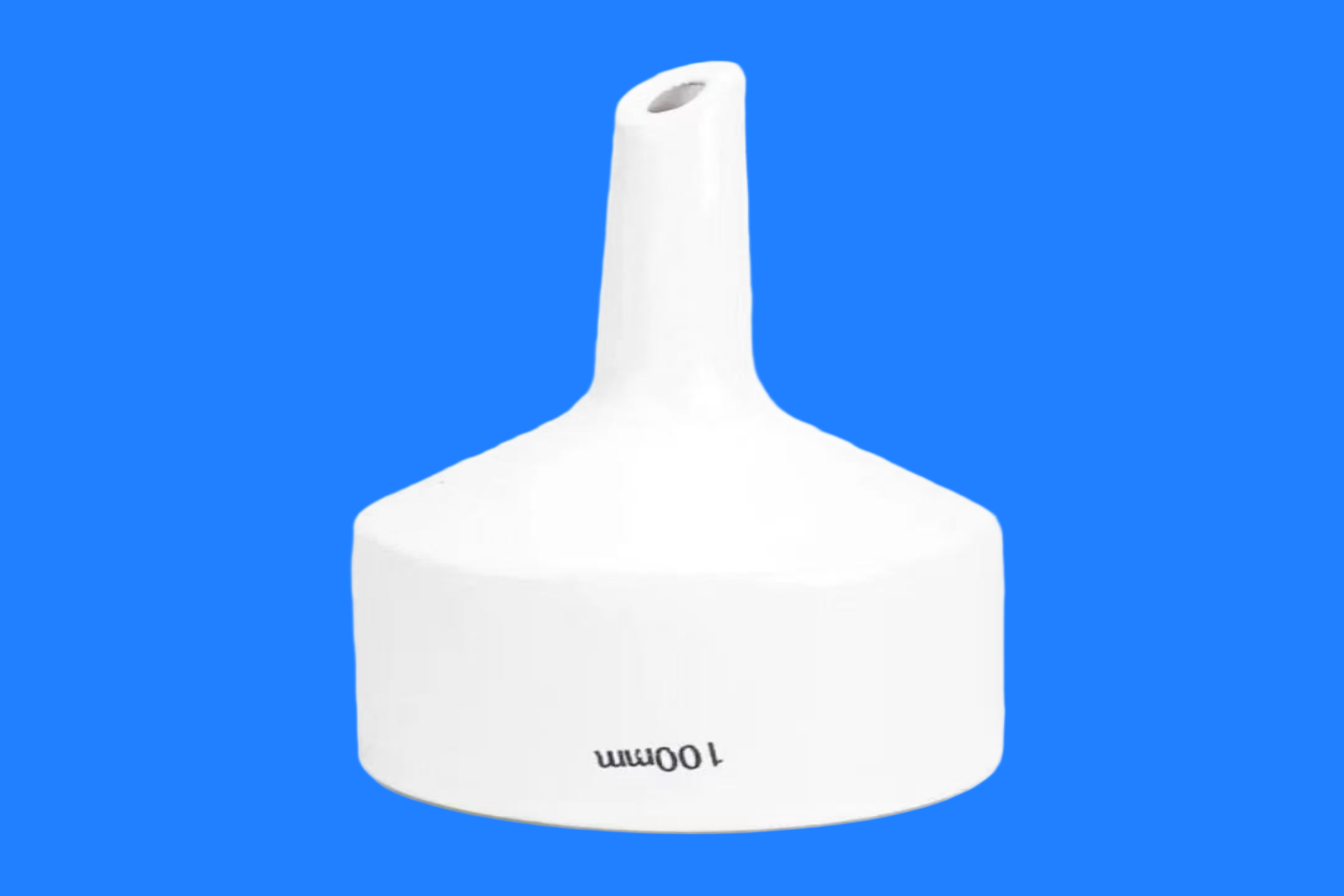
La cerámica Embudo Buchner iEl embudo Büchner es un instrumento clásico de laboratorio para filtración al vacío, inventado por el químico alemán Ernst Büchner. Permite una rápida separación sólido-líquido mediante succión al vacío y se utiliza ampliamente en campos como el análisis químico, la investigación y el desarrollo farmacéutico, la monitorización ambiental y los experimentos educativos. En comparación con la filtración por gravedad tradicional, el embudo Büchner mejora significativamente la velocidad de filtración y la eficiencia de separación, convirtiéndolo en un equipo básico indispensable en los laboratorios modernos.
Fabricante chino de embudos de filtración Buchner de porcelana Al₂O₃ de alta pureza
Descripción del Producto
Al₂O₃ Filtro Buchner Está disponible en dos grados de material: porcelana estándar de laboratorio y alúmina de alta pureza al 95 %, y en una gama completa de diámetros de 60 mm a 300 mm. Cuentan con una placa de filtro porosa moldeada integralmente y están completamente esmaltados tanto en la superficie interior como en la exterior. El cuerpo cerámico es resistente a ácidos y álcalis, impermeable y no libera impurezas que puedan contaminar el filtrado; los orificios del filtro están distribuidos uniformemente, sujetando firmemente el papel de filtro y evitando fugas de material. La versión de alúmina al 95 % ofrece una resistencia superior, resistencia a la corrosión y tolerancia a altas temperaturas, cumpliendo con los requisitos para filtrar materiales de alta pureza. Con dimensiones estandarizadas, estos embudos forman un sello perfecto con los matraces de filtración al vacío convencionales; son robustos, duraderos y adecuados para un uso repetido a largo plazo.
Estructura del producto
La cerámica Embudo de filtración Presenta un diseño integrado y consta principalmente de los siguientes componentes:
Características del producto
1. Material cerámico de alta calidad
Elaborado con arcilla cerámica de alta pureza cocida a altas temperaturas, este material es químicamente inerte y resistente a la corrosión por ácidos y álcalis. No reacciona con la gran mayoría de los reactivos químicos, lo que garantiza la pureza de la muestra y la precisión experimental.
2. Excelente estabilidad térmica
Capaz de soportar importantes fluctuaciones de temperatura, es adecuado para procesos de filtración que requieren calentamiento o enfriamiento. Ofrece una gran resistencia al choque térmico y es poco probable que se agriete debido a cambios bruscos de temperatura.
3. Alta resistencia mecánica
Su robusta estructura cerámica garantiza durabilidad; no se deforma ni se colapsa en condiciones de vacío. Diseñada para un uso repetido, ofrece una larga vida útil.
4. Superficie esmaltada lisa y fácil de limpiar.
Tanto la superficie interior como la exterior presentan un esmalte liso y denso que resiste la adhesión de contaminantes y facilita la limpieza. Soporta la esterilización a altas temperaturas, cumpliendo con los requisitos de los experimentos asépticos.
5. Diseño de placa perforada integrada
La placa perforada integrada garantiza una distribución uniforme de la presión sobre el papel de filtro, evitando desgarros o desplazamientos durante la filtración y, por lo tanto, mejorando la eficiencia de la filtración y las tasas de recuperación de sólidos.
Especificaciones técnicas
| Parámetro | Presupuesto |
| Material | cerámica de alta pureza (porcelana) |
| Estructura | embudo cilíndrico + placa perforada fija + salida de tubo recto |
| Especificaciones del orificio | 40 mm / 60 mm / 80 mm / 100 mm / 120 mm / 150 mm / 200 mm / 250 mm / 300 mm |
| Tratamiento de superficies | Esmaltada por dentro y por fuera (excepto el borde). |
| Método de filtrado | filtración al vacío |
| Equipos auxiliares | papel de filtro estándar + matraz de filtración al vacío + bomba de vacío |
Guía de selección de tamaño: 60–120 mm es adecuado para experimentos educativos rutinarios y la filtración de muestras de volumen pequeño a mediano; 150–200 mm es adecuado para experimentos de investigación a escala mediana; 250–300 mm es adecuado para la filtración continua a escala industrial de gran volumen.
Escenarios de aplicación típicos
Instrucciones
1. Prepara el papel de filtro: corta un trozo circular de papel de filtro con un diámetro ligeramente menor que el diámetro interior del embudo.
2. Instale el papel de filtro: coloque el papel de filtro plano sobre la placa perforada y humedézcalo con una pequeña cantidad de disolvente para que se adhiera bien.
3. Ensamble el aparato: inserte el embudo en el cuello del matraz de filtración al vacío, séllelo con un tapón de goma y conecte el puerto lateral a una bomba de vacío.
4. Vierta la muestra: encienda la bomba de vacío y vierta lentamente la mezcla que se va a filtrar en el embudo.
5. Recoger el sólido: el líquido se introduce en el matraz de filtración, mientras que el sólido permanece en el papel de filtro.
6. Lavar los cristales: si es necesario lavarlos, enjuague la superficie del sólido con una pequeña cantidad de disolvente puro una vez finalizada la filtración.
Precauciones
Embalaje y pedidos
| Calibre | Cantidad del paquete | Escenarios aplicables |
| 40 mm | 200 piezas/caja | microanálisis, demostraciones didácticas |
| 60–80 mm | 60–72 piezas/caja | filtración de laboratorio de rutina |
| 100–120 mm | 24–32 piezas/caja | experimento de investigación a mediana escala |
| 150–200 mm | 4–12 piezas/caja | procesamiento de muestras de gran volumen |
| 250–300 mm | 2 piezas/caja | filtración continua de grado industrial |
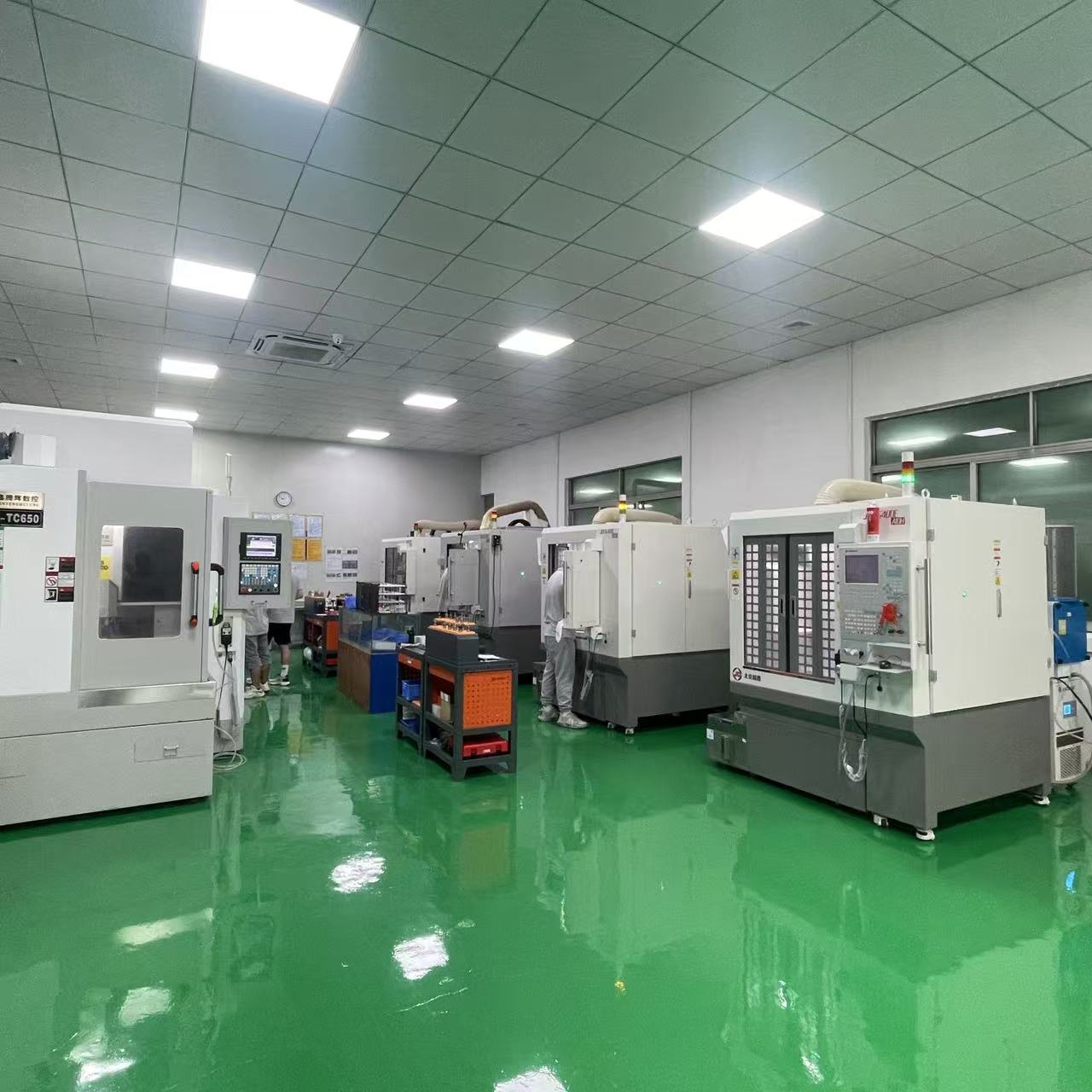
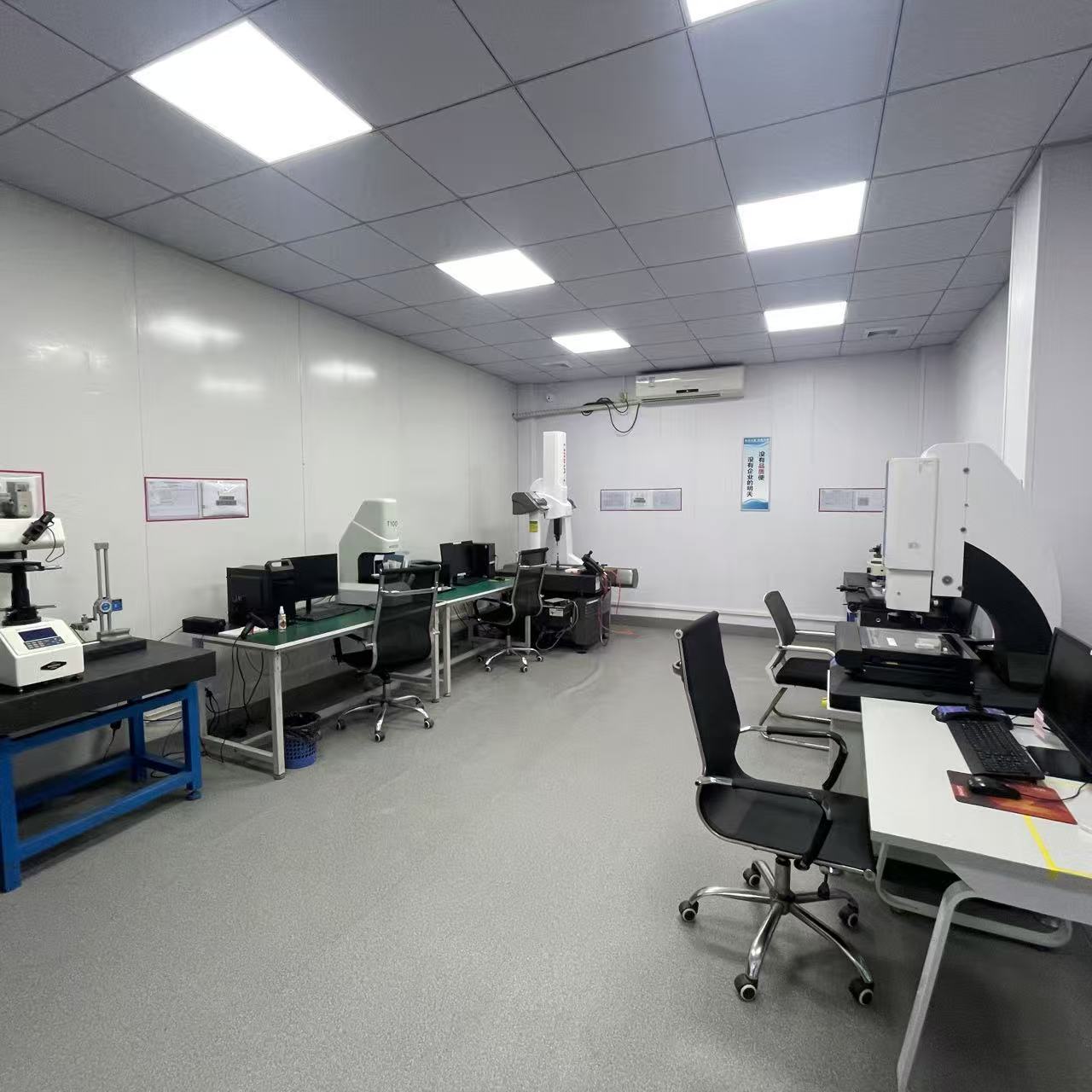
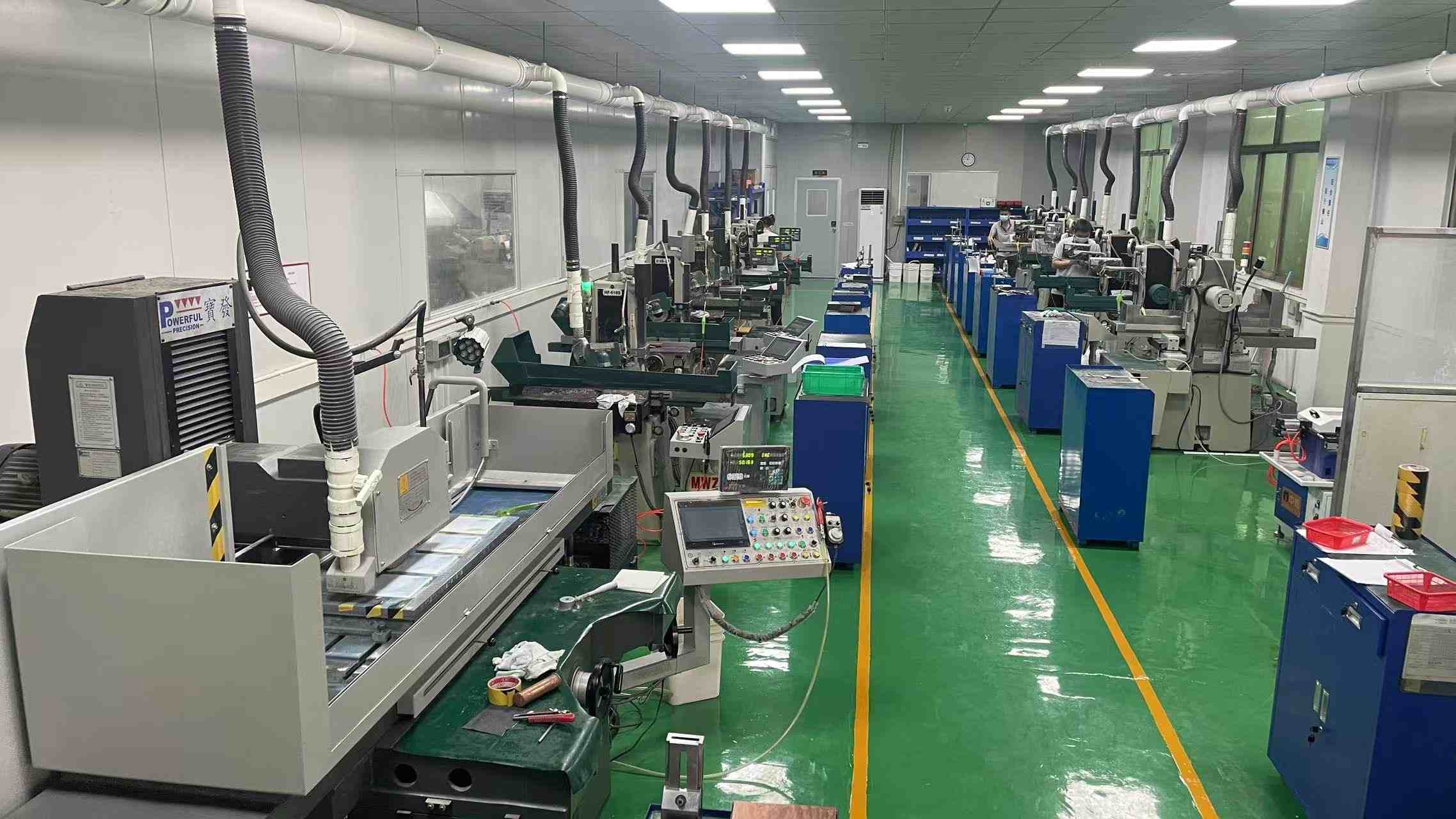
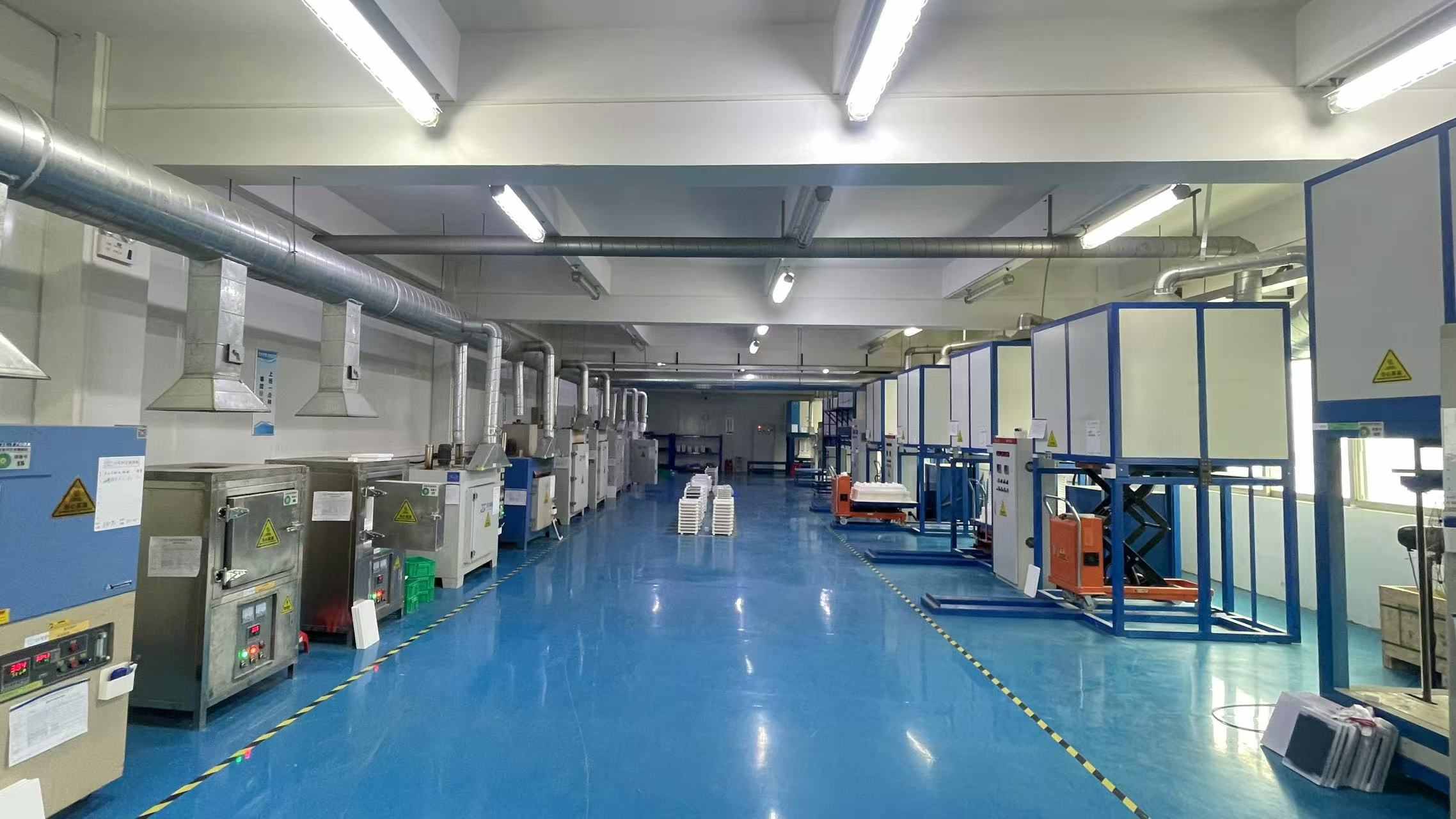
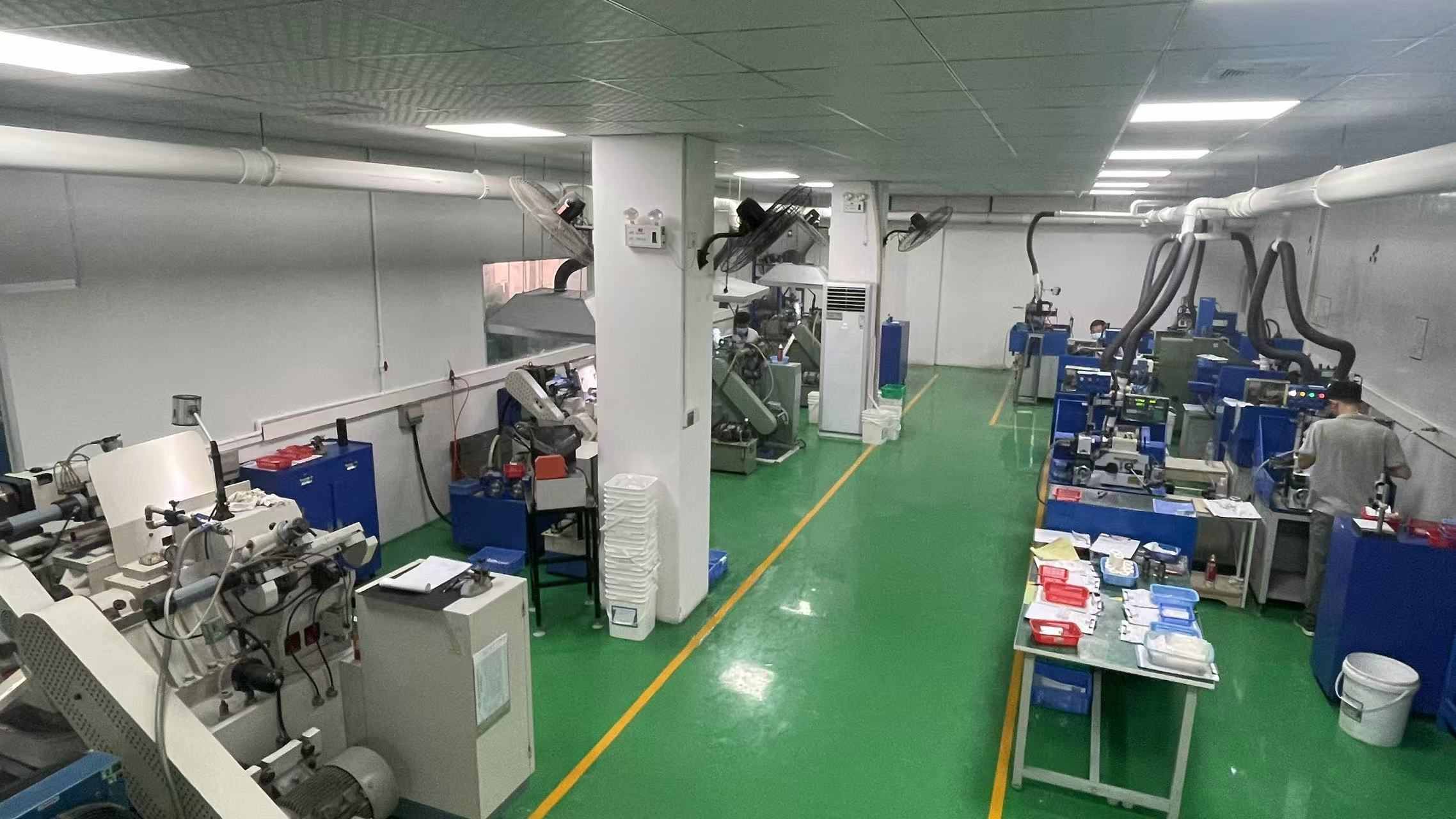
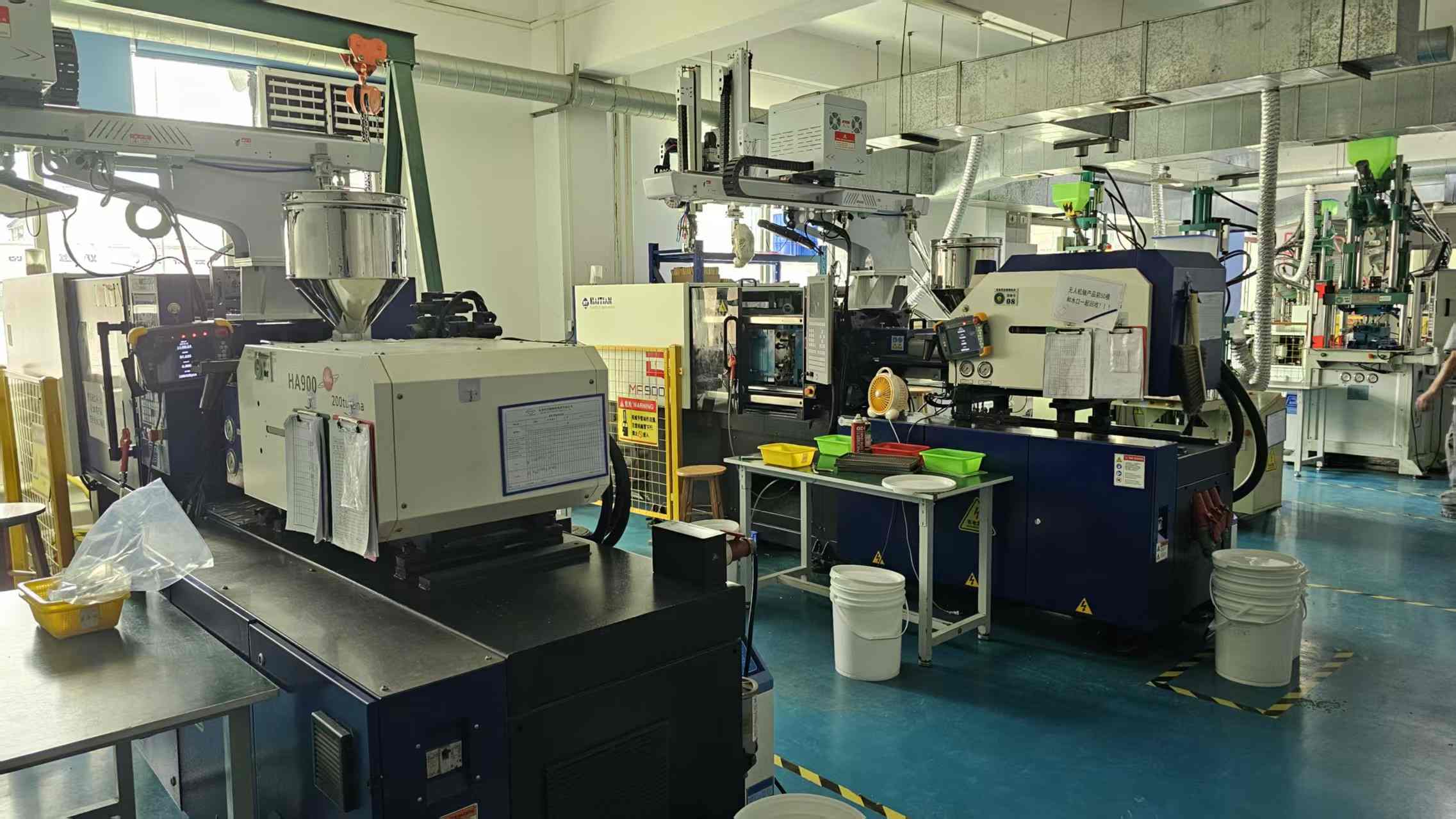
Nuestro taller
Taller CNC |
Sala de pruebas |
Taller de rectificado de superficies |
Taller de sinterización |
Taller de rectificado circular |
Taller de máquinas de moldeo por inyección |
¿Por qué elegirnos?
1. Investigación y desarrollo personalizados, en lugar de la adaptación de productos estándar.
2. Control exhaustivo de la ciencia de los materiales: Selección de materiales según las necesidades, optimización de la microestructura, consistencia del lote.
3. Capacidad de mecanizado de precisión: La planitud puede alcanzar 0,001 mm, el paralelismo 0,002 mm y la rugosidad Ra 0,1 μm.
Preguntas frecuentes
P1: ¿Qué productos ofrece su empresa?
Nos especializamos en cerámicas de alto rendimiento, como la alúmina y el nitruro de silicio, y ofrecemos aislantes, componentes estructurales, piezas resistentes al desgaste y soluciones personalizadas.
P2: ¿Pueden personalizar piezas no estándar?
Sí. Ofrecemos servicios de procesamiento basados en los planos proporcionados y en el desarrollo técnico colaborativo, brindando un servicio integral desde el diseño hasta la producción en masa.
P3: ¿Qué hay de la precisión y el tiempo de entrega?
Tolerancia estándar ±0,05 mm, grado de precisión ±0,01 mm; muestras de 7 a 15 días, pedidos al por mayor de 20 a 30 días.
P4: ¿Principales áreas de aplicación?
Industrias energética, electrónica, de maquinaria, química y aeroespacial.
P5: ¿Medidas de garantía de calidad?
Inspección de calidad de proceso completo, que proporciona informes de materiales y datos de pruebas de rendimiento, y que respalda la certificación y las pruebas de terceros.
P6: ¿Ofrecen soporte técnico?
Ofrecemos apoyo profesional, como asesoramiento en la selección de materiales, optimización del diseño y análisis de fallos.



 IPv6 RED SOPORTADA
Dejar un mensaje
Escanear a WeChat :

Escanear a WhatsApp :