Dejar un mensaje
Si está interesado en nuestros productos y desea conocer más detalles, deje un mensaje aquí, le responderemos lo antes posible.

Encendedor de cerámica de alúmina para fabricante mundial de equipos de gas.
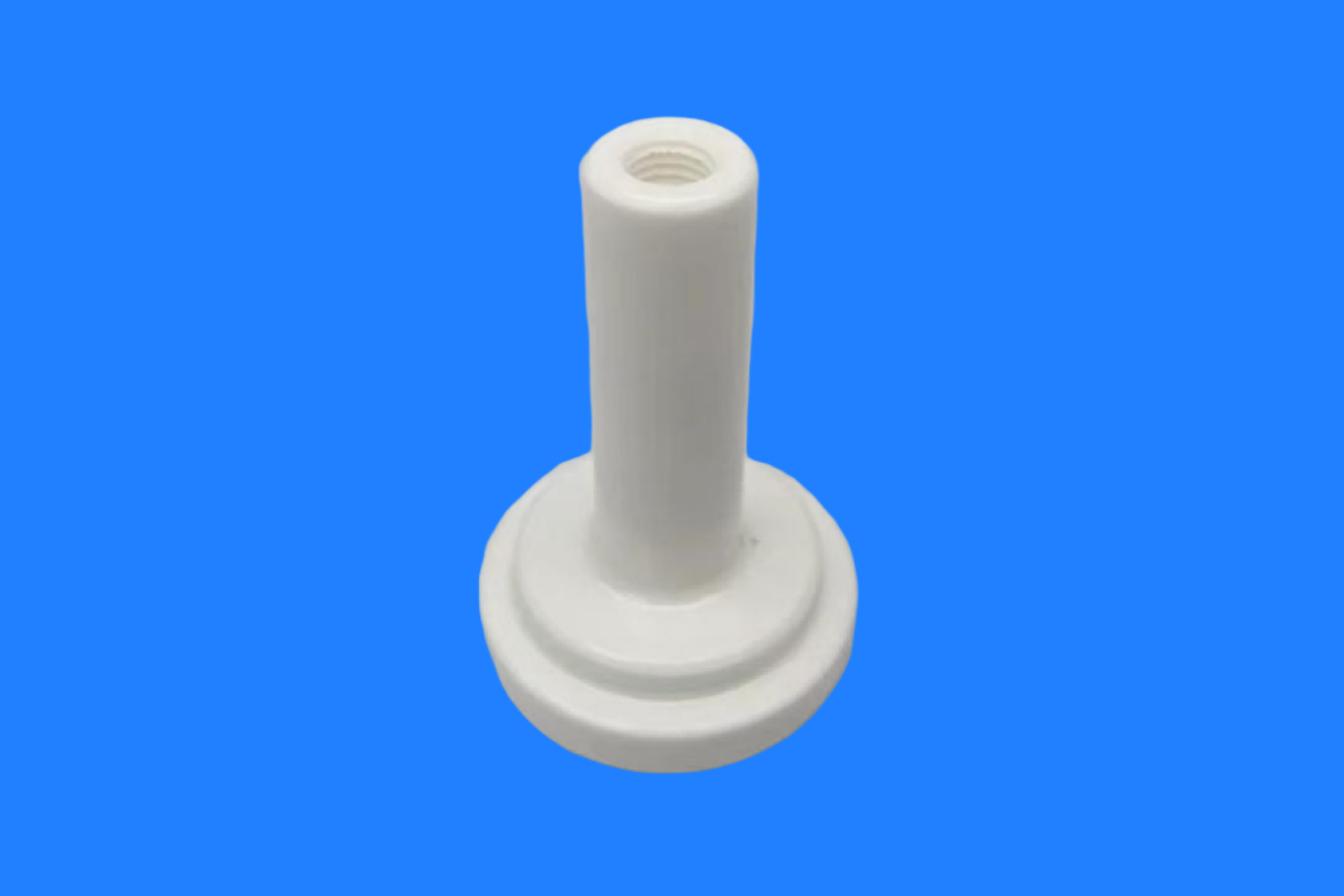
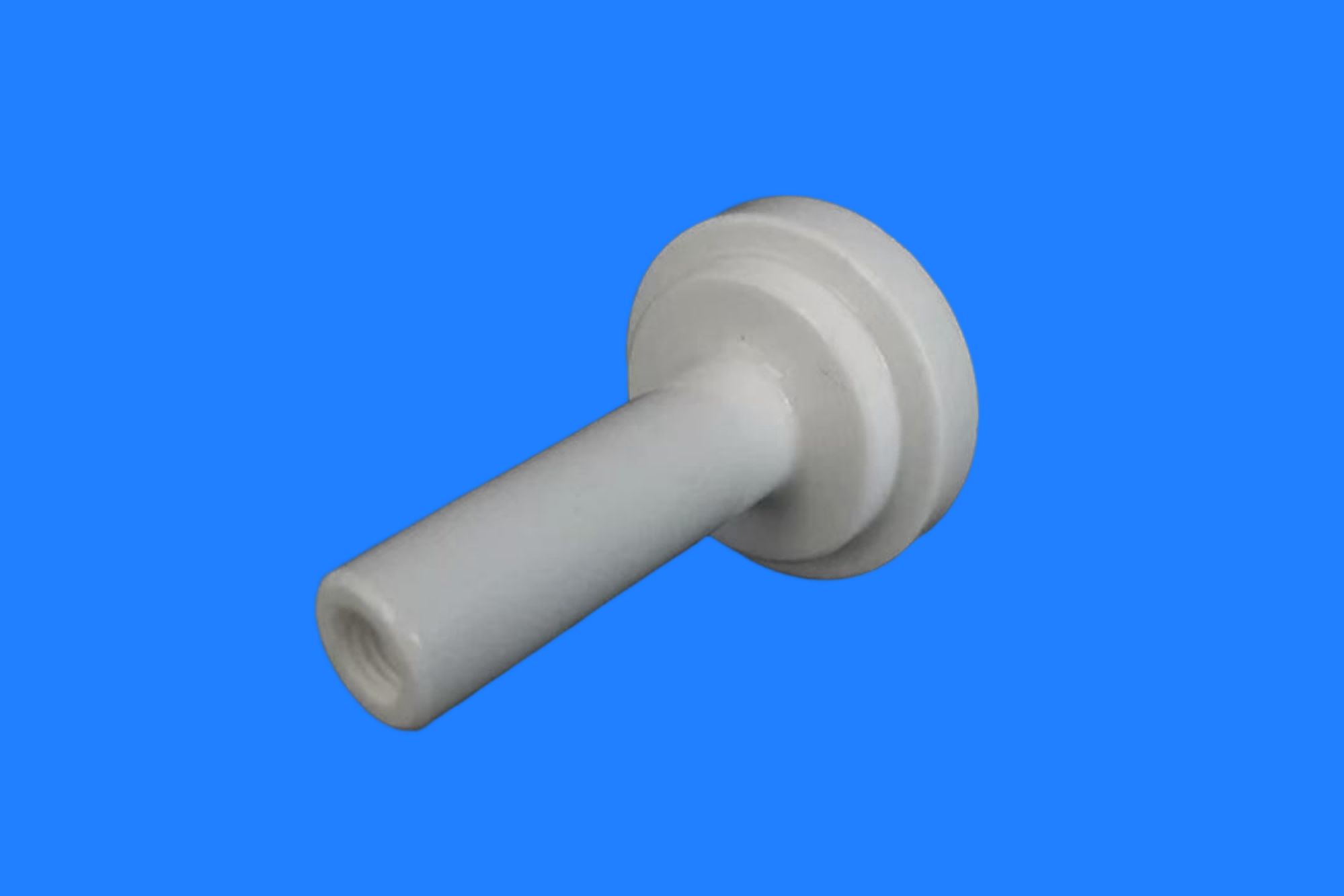
El Pin de encendido de cerámica Es un componente esencial de los sistemas de encendido para equipos a gas. Está fabricado con cerámica de alúmina (Al₂O₃) de alta pureza como material aislante principal, combinada con un electrodo de aleación resistente a altas temperaturas. Ampliamente utilizado en aplicaciones como estufas de gas, calentadores de agua a gas, calderas murales, quemadores industriales, hornos y calderas de biomasa, este producto garantiza un encendido seguro, eficiente y fiable.
Encendedor de cerámica de alúmina para fabricante mundial de equipos de gas.
Descripción del Producto
Reconocido por su excepcional resistencia a altas temperaturas, aislamiento superior, resistencia al choque térmico y larga vida útil, el electrodo de ignición de cerámica de alúmina se ha convertido en la opción preferida para los sistemas de ignición de gas modernos. Ya sea para cocinar a diario en estufas domésticas o para operaciones continuas de alta intensidad en quemadores industriales, nuestros electrodos ofrecen una experiencia de ignición segura, fiable y eficiente. Atendemos consultas sobre soluciones personalizadas y nos comprometemos a brindar soporte a su equipo con experiencia profesional y un servicio de primera calidad. Nuestros productos permiten la personalización dimensional completa y la fabricación integral de componentes; la estructura integrada y sin fisuras elimina los problemas comunes de la industria asociados con las cerámicas de diseño dividido, como roturas y fallos por fugas eléctricas. Con una vida útil más larga y un mayor margen de seguridad en comparación con las piezas cerámicas estándar de baja alúmina, son el componente de aislamiento de ignición de alto voltaje ideal para los fabricantes de equipos de gas a nivel mundial.
Ventajas del producto
Materiales básicos y procesos de fabricación
1. Aislante cerámico
Material: Cerámica de alúmina de alta pureza (Al₂O₃) con un 95 %-99 % de pureza.
Proceso de fabricación: se forma mediante fundición en caliente a presión y se sinteriza a 1500 °C; la superficie se puede tratar con un esmalte de alta temperatura.
Características: estructura densa, aspecto translúcido, alta dureza (escala de Mohs 9), resistencia al desgaste y resistencia a la corrosión.
2.Pines de electrodos
Materiales comunes: Ni80Cr20 (aleación de níquel-cromo), 0Cr25Al5 (aleación de hierro-cromo-aluminio), Cr27Al7Mo2, Kanthal (Kanthal A1 soporta temperaturas de hasta 1400 °C) o acero inoxidable SUS304.
Rango de resistencia a la temperatura: 1100 °C–1500 °C; ciertas aleaciones especiales pueden soportar temperaturas superiores a 1600 °C.
Tratamiento superficial: Tratamiento superficial de titanio para mejorar la resistencia a la oxidación y la corrosión.
3. Componentes de conexión
Conector: de latón; garantiza una transmisión de señal sensible y una excelente conductividad térmica.
Cable: Cable de alta temperatura con certificación UL (por ejemplo, UL1332, UL3573, UL3257); resistencia a la temperatura de hasta 250 °C.
Método de montaje: conexión roscada (M14×1.25, M16×1.5, M18×1.5, G1/2, etc.) o conexión a presión; garantiza una fácil instalación/desmontaje y una conexión segura.
Características del producto
| Característica | Descripción detallada |
| Resistencia a temperaturas ultra altas | El cuerpo cerámico soporta altas temperaturas de 1200 °C a 1700 °C durante períodos prolongados, mientras que el electrodo soporta de 1100 °C a 1500 °C; no se ablanda, deforma ni sufre degradación del rendimiento en entornos de llamas extremas. |
| Aislamiento superior | Tensión de ruptura ≥15–20 kV/mm; mantiene excelentes propiedades de aislamiento eléctrico incluso a altas temperaturas, previniendo eficazmente las fugas de corriente y la ruptura por arco eléctrico. |
| Resistencia al choque térmico | Bajo coeficiente de dilatación térmica; capaz de soportar ciclos térmicos repetidos (calentamiento-enfriamiento-recalentamiento) sin agrietarse ni fragilizarse. |
| Alta resistencia mecánica | Resistencia a la flexión ≥350 MPa, resistencia a la compresión ≥2050 MPa; resistente a los impactos y al desgaste; apto para diversos entornos de instalación. |
| Estabilidad química | Resistente a la corrosión y oxidación por ácidos y álcalis; el esmalte superficial de alta temperatura previene además la acumulación de carbono y la erosión química. |
| Seguro y confiable | Incorpora protección de puesta a tierra y detiene automáticamente la descarga si se interrumpe el suministro de gas para evitar la acumulación de gas; cumple con las normas de certificación internacionales como UL, CE y RoHS. |
Especificaciones técnicas
| Artículo | Especificaciones detalladas |
| Material principal | Cerámica de alúmina de alta pureza al 95 % (cerámica Al₂O₃ 95); también disponible con una pureza del 99 %. |
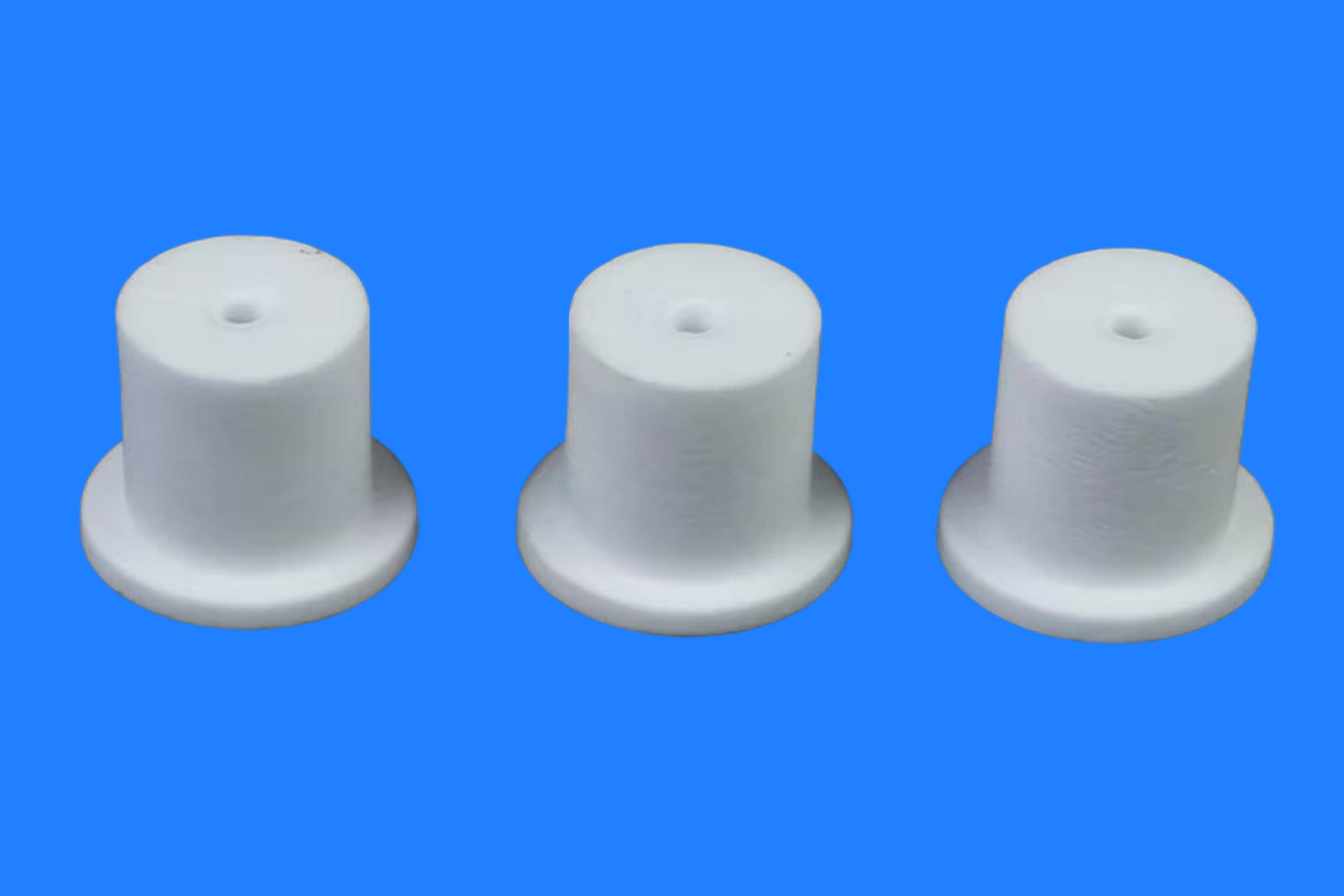
| Configuración estructural | Diseño integrado que incorpora una base con brida y un eje cilíndrico hueco, con un orificio roscado interno de precisión en el interior del eje. |
| Proceso de moldeo | Moldeo por prensado en seco y sinterización integral a alta temperatura; sin unión adhesiva ni empalmes; orificio roscado interno mecanizado con precisión. |
| Tamaño estándar (personalizable) | La base presenta una brida de doble escalón con un diámetro exterior total de φ20–φ40 mm; un diámetro exterior de la varilla cerámica de φ6–φ16 mm; una longitud total de la varilla de 20–80 mm; y una rosca interna (métrica estándar M3/M4/M5/M6) con una profundidad de rosca de 5–15 mm. |
| Precisión de mecanizado | Tolerancia del diámetro exterior ±0,005 mm; tolerancia de la longitud total ±0,01 mm; coaxialidad de la rosca ≤0,02 mm; planitud de la cara de la brida ≤0,008 mm. |
| Tratamiento de superficies | Disponible en acabados pulidos a espejo o mate; libre de burbujas de aire, poros y grietas. |
| Accesorios a juego | Ofrece una solución integral compatible con electrodos metálicos, resortes, pines conductores y juntas de sellado de silicona. |
| Modelo de producción | Artículos estándar en stock, además del desarrollo de moldes personalizados OEM/ODM; se admite la fabricación basada en planos o muestras proporcionados. |
Áreas de aplicación
Recomendaciones de instalación y mantenimiento
1. Instalación: se fija mediante roscas estándar o un mecanismo de encaje a presión; no se requieren herramientas especializadas y la instalación se completa en 5 minutos. Asegúrese de que la distancia entre electrodos cumpla con las especificaciones del equipo (normalmente de 3 a 5 mm).
2. Pruebas: compruebe periódicamente la resistencia con un multímetro (rango normal: 40–200 Ω); una resistencia infinita indica un fallo del electrodo.
3. Limpieza: elimine regularmente los depósitos de carbono de la punta del electrodo y evite la acumulación de aceite; inspeccione el cuerpo cerámico en busca de grietas o residuos blancos.
4. Intervalo de reemplazo: la vida útil es de 3 a 10 años en condiciones normales de funcionamiento; se recomiendan inspecciones anuales para entornos operativos adversos.
Seguro de calidad
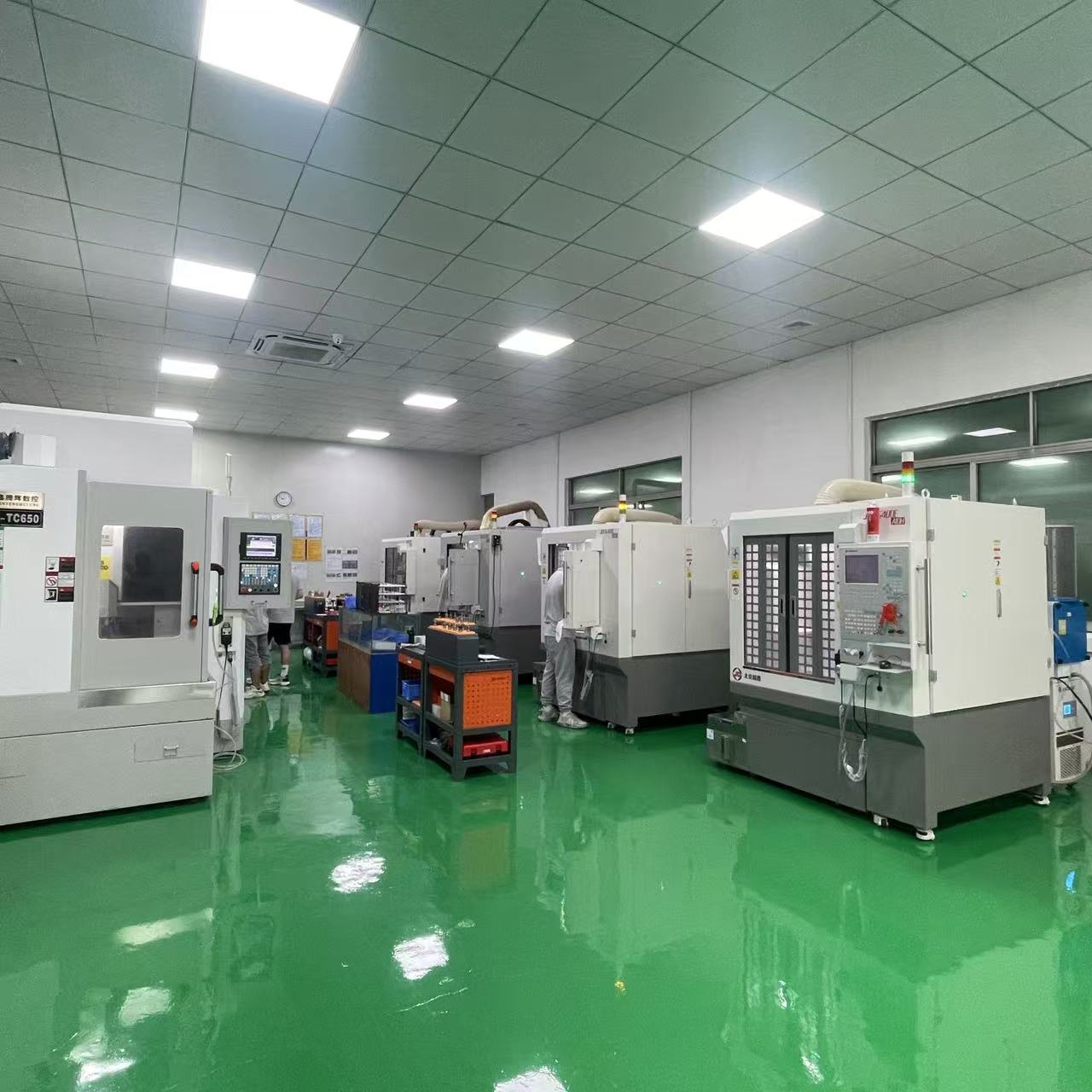
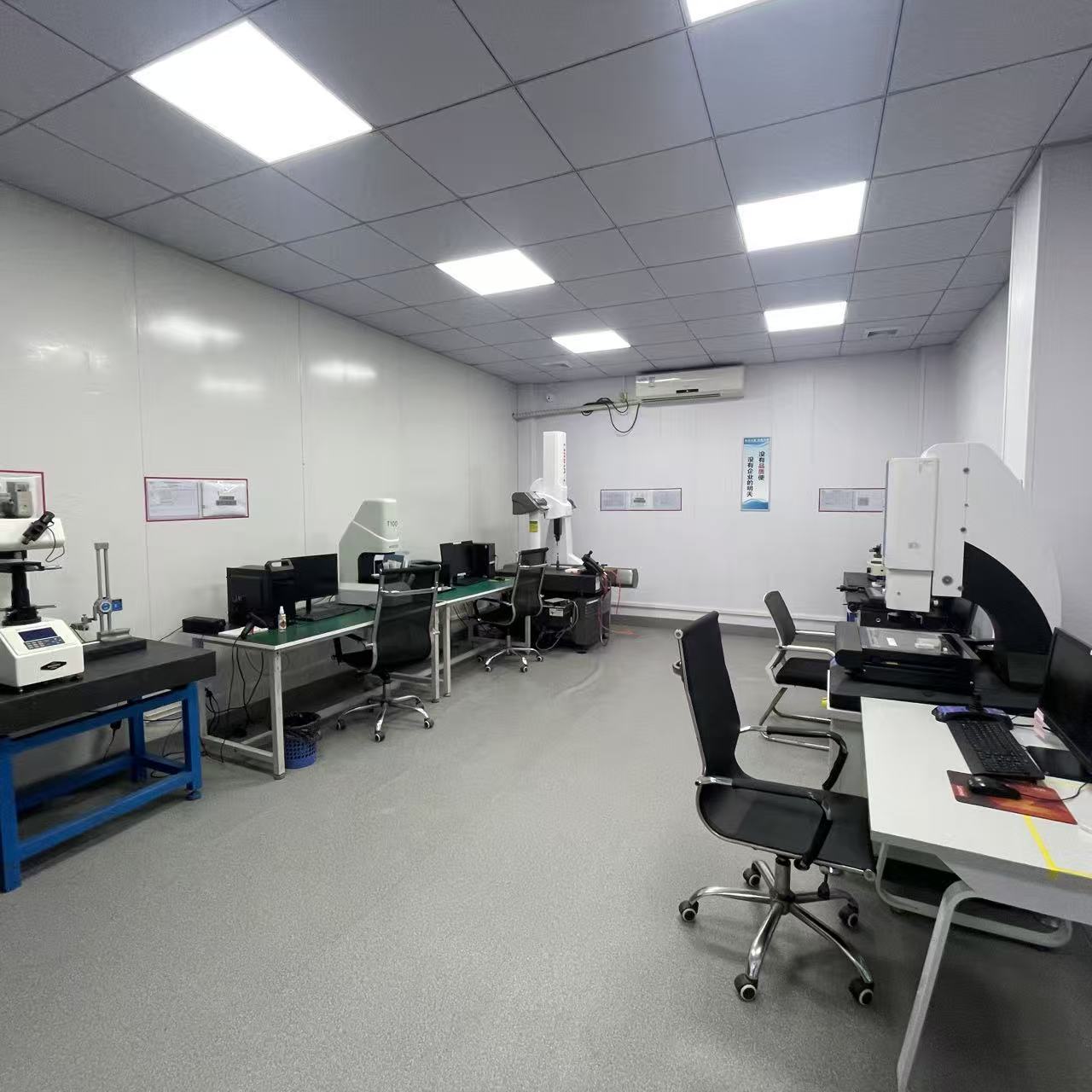
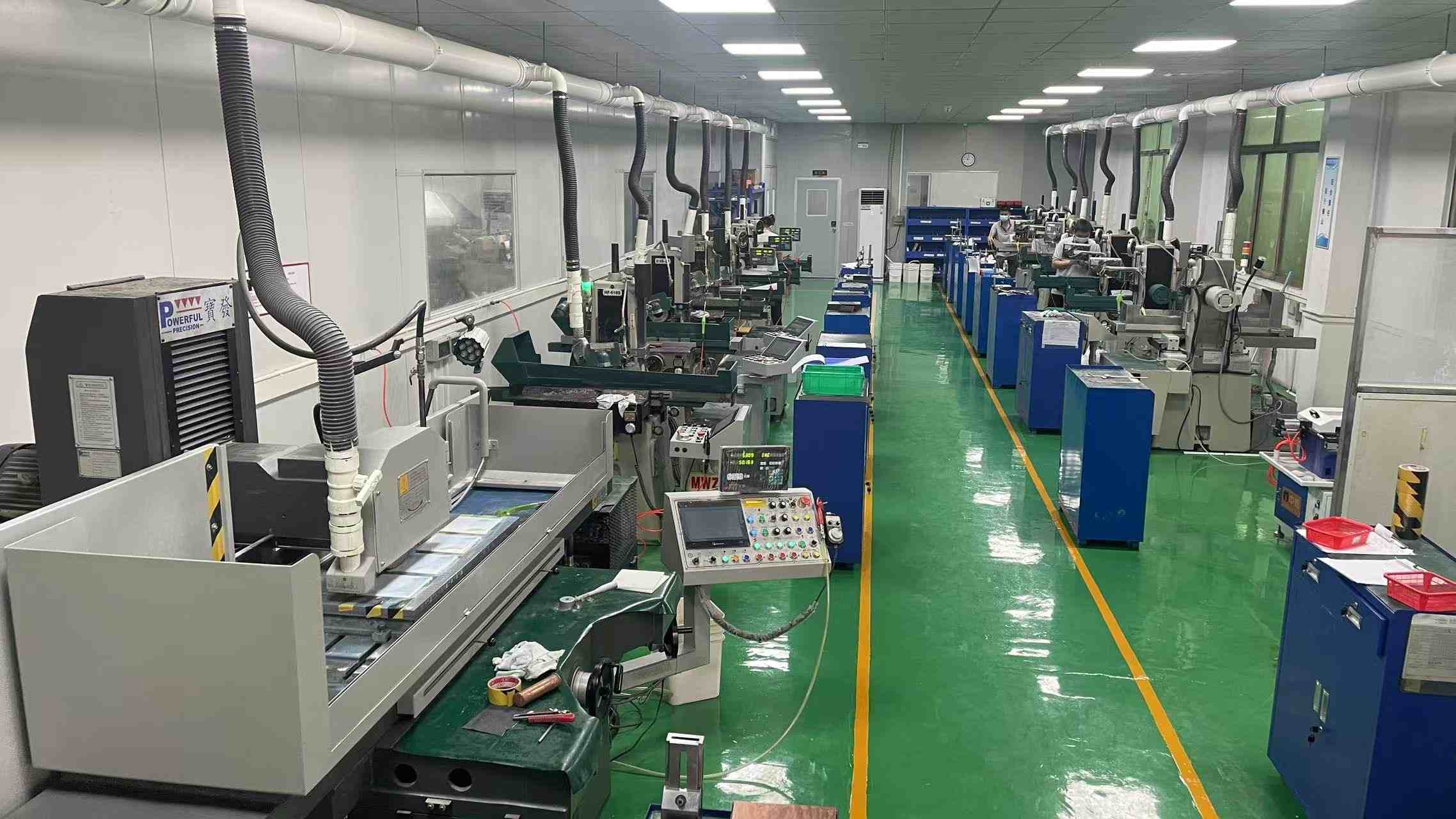
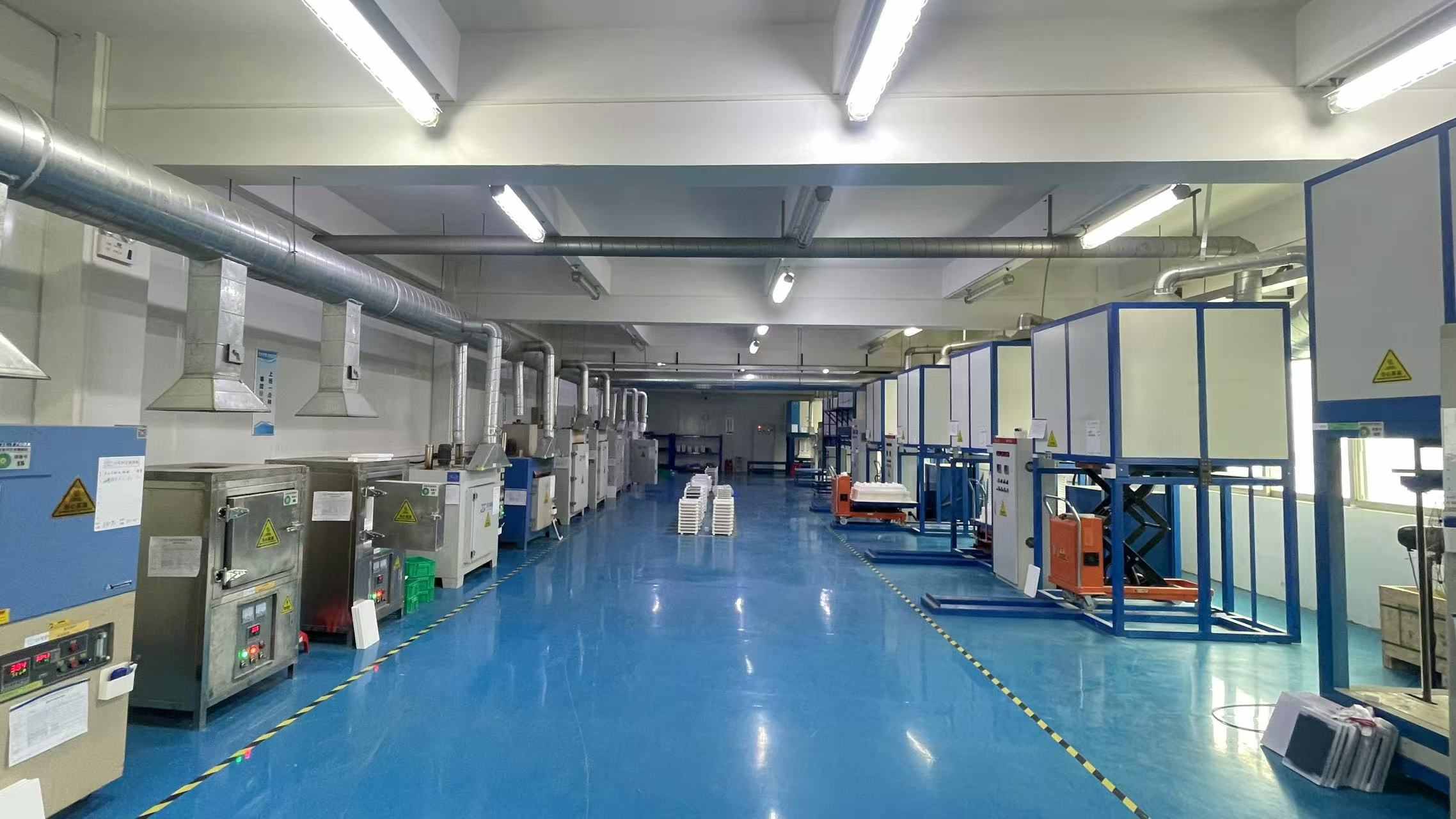
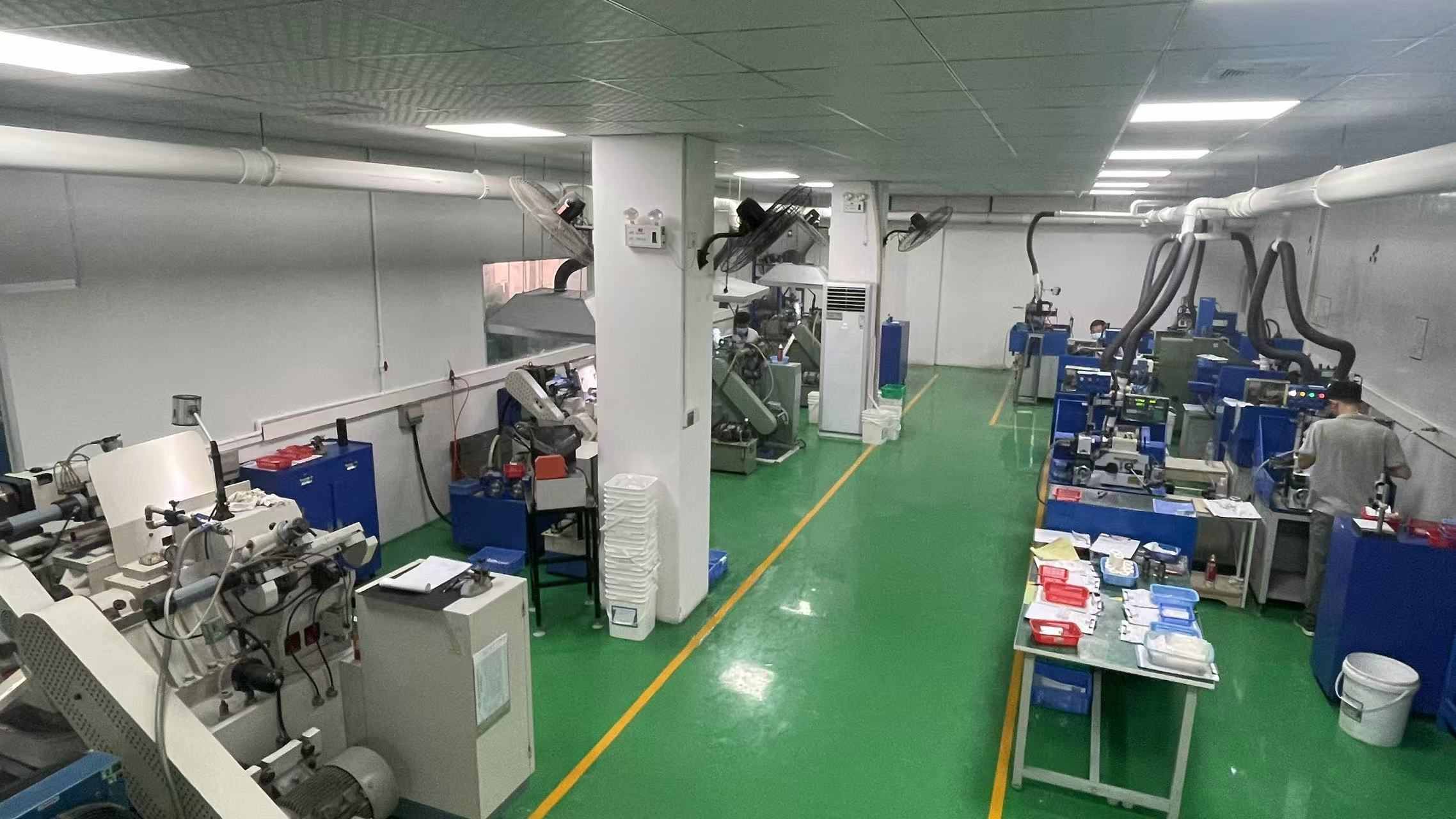
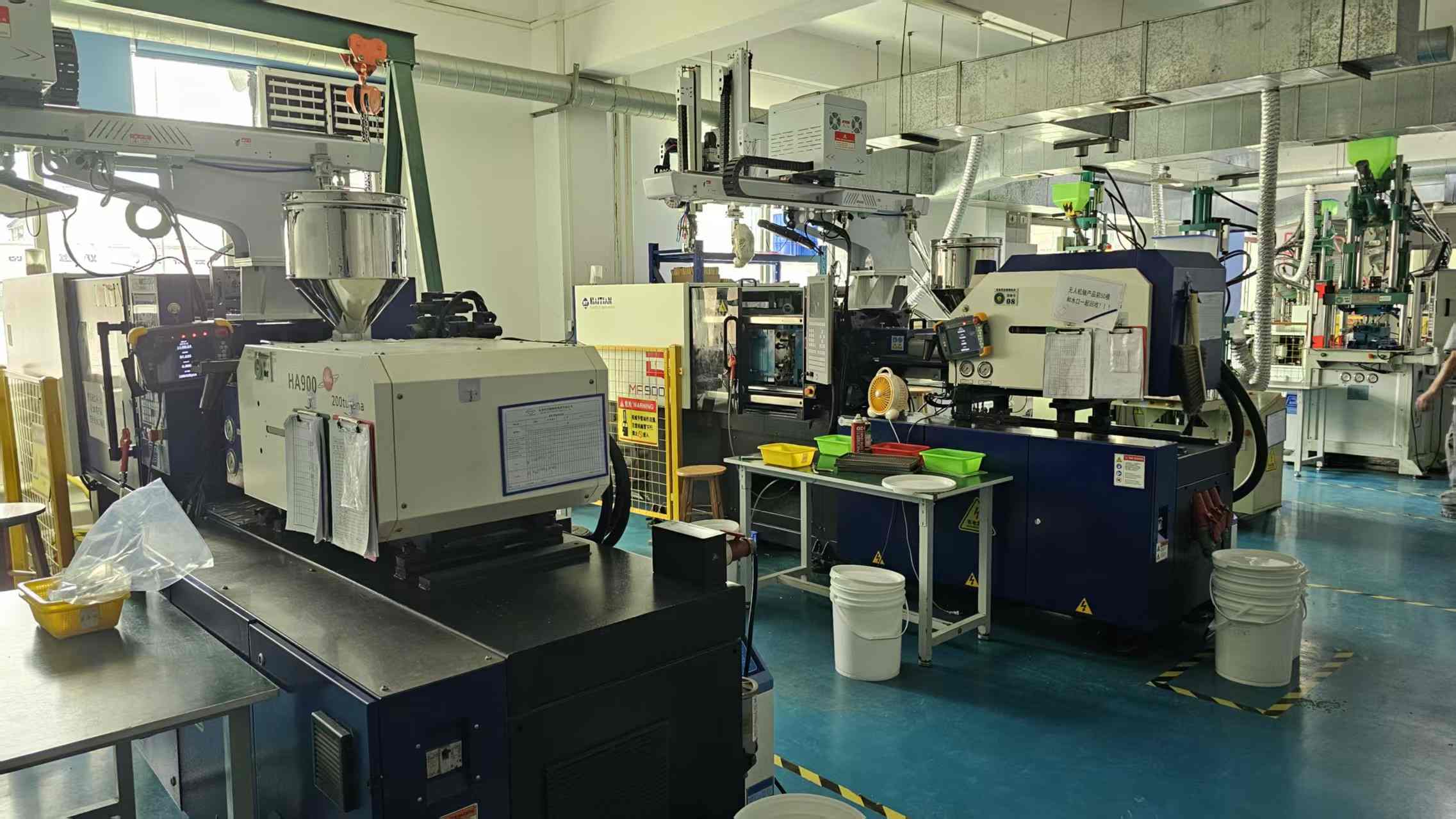
Nuestro taller
Taller CNC |
Sala de pruebas |
Taller de rectificado de superficies |
Taller de sinterización |
Taller de rectificado circular |
Taller de máquinas de moldeo por inyección |
¿Por qué elegirnos?
1. Investigación y desarrollo personalizados, en lugar de la adaptación de productos estándar.
2. Control exhaustivo de la ciencia de los materiales: Selección de materiales según las necesidades, optimización de la microestructura, consistencia del lote.
3. Capacidad de mecanizado de precisión: La planitud puede alcanzar 0,001 mm, el paralelismo 0,002 mm y la rugosidad Ra 0,1 μm.
Preguntas frecuentes
P1: ¿Qué productos ofrece su empresa?
Nos especializamos en cerámicas de alto rendimiento, como la alúmina y el nitruro de silicio, y ofrecemos aislantes, componentes estructurales, piezas resistentes al desgaste y soluciones personalizadas.
P2: ¿Pueden personalizar piezas no estándar?
Sí. Ofrecemos servicios de procesamiento basados en los planos proporcionados y en el desarrollo técnico colaborativo, brindando un servicio integral desde el diseño hasta la producción en masa.
P3: ¿Qué hay de la precisión y el tiempo de entrega?
Tolerancia estándar ±0,05 mm, grado de precisión ±0,01 mm; muestras de 7 a 15 días, pedidos al por mayor de 20 a 30 días.
P4: ¿Principales áreas de aplicación?
Industrias energética, electrónica, de maquinaria, química y aeroespacial.
P5: ¿Medidas de garantía de calidad?
Inspección de calidad de proceso completo, que proporciona informes de materiales y datos de pruebas de rendimiento, y que respalda la certificación y las pruebas de terceros.
P6: ¿Ofrecen soporte técnico?
Ofrecemos apoyo profesional, como asesoramiento en la selección de materiales, optimización del diseño y análisis de fallos.



 IPv6 RED SOPORTADA
Dejar un mensaje
Escanear a WeChat :

Escanear a WhatsApp :